
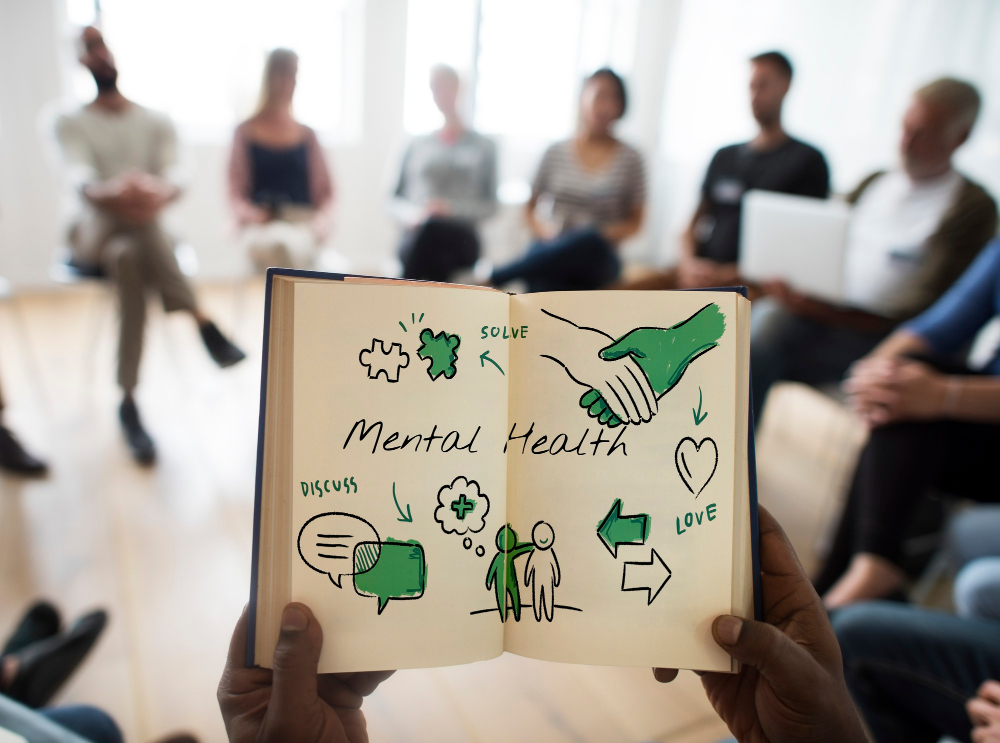
Mental health plays a significant role in people's lives, particularly in how they behave, react, and interact with others in society. Good mental health means that an individual is capable of making sound decisions, regulating emotions, and staying engaged in family and work.
When mental health is compromised, everyday activities can be challenging. An individual may feel setbacks in work and social activities that seemed manageable before. Mental health disorders caused by chemical imbalances, trauma, or injury may be impossible to overcome without professional intervention.
Normal Stress vs. a Mental Health Crisis
According to the Centers for Disease Control and Prevention, one in six adults experiences depression at some point in their lifetime. With this high number, how would you identify if you’re going through normal daily stress or are experiencing something more serious?
Normal Stress Situation
Normal stress is a person’s natural response to challenges, from family responsibilities to work deadlines. Anyone gets stressed when faced with uncertainty; however, it’s uncomfortable but doesn't interfere with daily life. When it does, that’s an entirely different discussion.
The emotional responses of individuals with stress are caused by external triggers. These responses are short and have less impact on one’s life. While they may experience fatigue, digestive troubles, and irritability, these symptoms are short-term.

source
Mental Health Crisis
When elevated stress persists over time without obvious catalysts or stimuli, it’s often a sign of a more serious mental health condition. Individuals in this situation can experience a roller coaster of emotions, from numbness to extreme sensitivity. Getting help for mental health is key to managing this situation.
Knowing the difference between experiencing normal stress and a mental health crisis helps in understanding how to manage the situation. Normal stress can often be managed with healthy habits like physical exercise, good nutrition, adequate sleep, and mindfulness, while more serious mental health concerns cannot be solved with self-help alone.
The Role of Self-Help in Mental Health
Self-help refers to the practice of doing activities that prioritize mental health. It has become an important concept in the medical community and worldwide because of today’s widespread mental health problems. More than just healthcare costs, these mental health conditions drive a wedge in people’s relationships and alter their lives.

source
Effective Self-Help Practices
To safeguard your mental health, make self-help practices a habit that needs to be done every day. Here are some ways to strengthen your mental health:
- Be physically active and get regular exercise
- Maintain a connection with other people
- Eat healthy meals
- Prioritize sleep
- Practice mindfulness or being present in the moment
- Focus on positivity and gratitude
- Set goals and priorities
Compared to the past, people are much more aware of mental health and its effect on every aspect of one's life. The ongoing practice of self-help supports mental health and empowers one’s life at the same time. However, self-help is not enough when dealing with more serious mental health distress and disorders.
Key Signs That Self-Help Is Not Enough
The World Health Organization claims that over a billion people in the world live with mental health disorders. They deal with conditions such as anxiety and depression, which significantly affect their daily lives. When left untreated, they cause severe physical, emotional, and behavioral issues.
When it seems like self-help doesn't work, it may be because you've become part of those statistics. Look out for clear signs of mental health distress to reduce the effects of mental illness through early intervention. Here are some of the key signs to keep an eye out for:
Physical Signs
- Loss of appetite
- Overfatigue
- Unplanned weight changes
Emotional Signs
- Irritability and restlessness
- Loss of interest in anything
- Feeling that life is not worth living
- Thoughts of violence to oneself and others
Behavioral Signs
- Alcohol/drug abuse to cope
- Difficulty sleeping/getting out of bed
- Difficulty concentrating
- Inability to carry out usual activities
- Unusual eating habits
Some of these signs may not seem to require urgent professional help, but they can be considered chronic symptoms when they’ve lasted for over 2 weeks. The long duration means that they’re already hindering an individual’s normal daily life.
Seeking Professional Mental Health Support
Seeking professional help is often the best option for more serious mental health problems. It goes beyond self-help practices and offers scientific solutions to one’s mental health issues. The method provides more than just a judgment-free space but an avenue to understand the cause of one’s mental distress.
Professional mental health support comes in various forms, such as facilities, counselors, therapists, and even regular medical doctors. Asking for professional help in managing one’s mental health means you haven’t given up on yourself. It is a sign of strength despite the vulnerability of the situation.
Pay attention to early signs of mental distress to access timely professional help, and reach out to friends, family, and loved ones for additional support. Prioritize honesty and compassion when dealing with yourself. When self-help practices become unproductive, be open to seeking help from experts.
You may also like
How Spending Time in Your Backyard Can Improve Your Well-Being
Color Psychology: Choosing the Perfect Shades for Every Room
Practicing Self-Care to Give You More Empowerment in Life
6 Simple Things You Can Do Today For a Healthier Tomorrow