
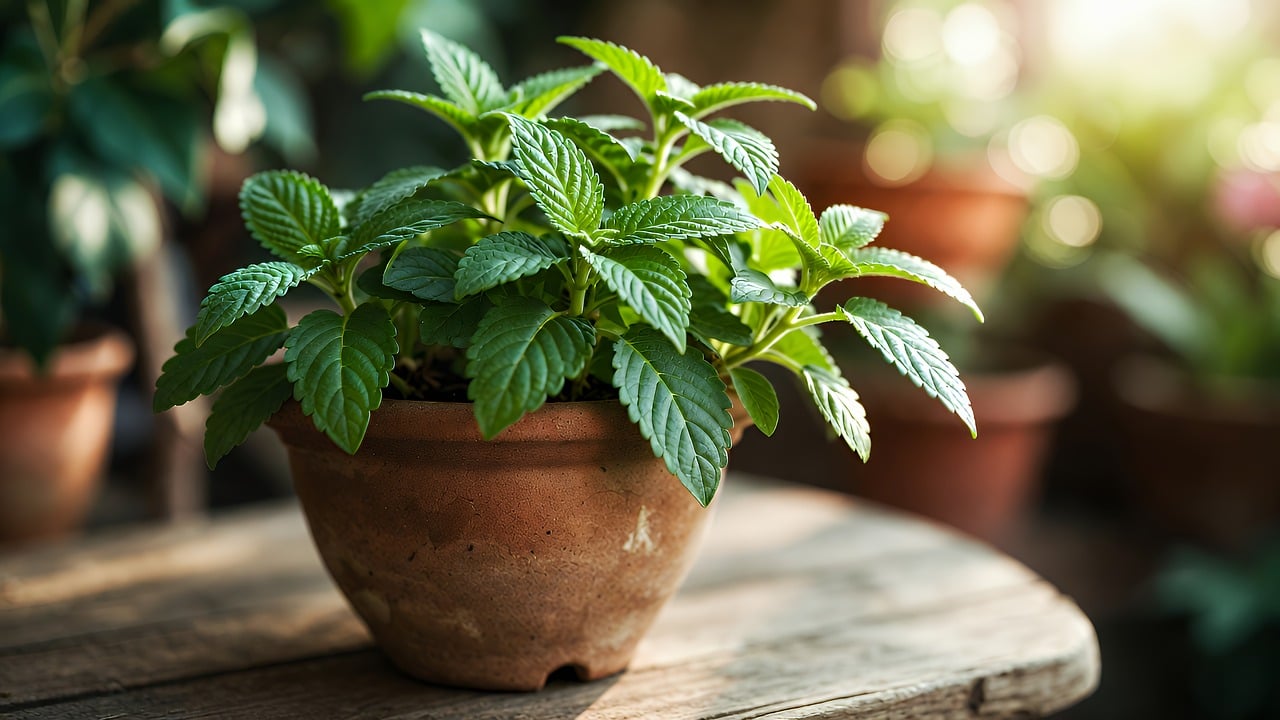
There’s something quietly radical about growing your own food indoors. No sprawling backyard required, no muddy boots, no seasonal waiting game. Just you, a windowsill (or even a corner of your kitchen counter), and the steady, satisfying work of tending to something alive.
Indoor gardening has moved far beyond the potted succulent on a desk. It has become a genuine lifestyle movement — one driven by a desire for fresher food, cleaner air, and a deeper connection to nature in increasingly urbanized lives.
Why More People Are Bringing the Garden Indoors
The appeal of indoor gardening is easy to understand. In a world of processed convenience foods and disconnected living, growing herbs, greens, and vegetables at home feels like a small act of reclamation. You control what goes into the soil. You know exactly when something was harvested. And you get the rare pleasure of snipping fresh basil into a pasta dish moments after it was growing.
Beyond the culinary romance, indoor plants genuinely improve air quality. Studies have long explored how houseplants can filter certain volatile compounds from the air, and the psychological benefits are well-documented: tending to plants reduces stress, improves focus, and brings a sense of calm to living spaces.
Then there’s the simple economics. A pot of grocery-store herbs dies within a week. A living plant — properly tended — produces for months.
Getting Started: What You Actually Need
The barrier to entry for indoor gardening is lower than most people think. Here’s what matters most:
Light is the non-negotiable. Most edible plants need 6–8 hours of bright, indirect sunlight. South- or west-facing windows are ideal. If your home is dim, grow lights — now widely available and energy-efficient — can supplement or replace natural light entirely.
Containers and drainage matter more than aesthetics. Roots need room to breathe, and standing water invites rot. Whatever you’re growing in, make sure excess water can escape.
The right soil for indoor growing is typically a lightweight potting mix rather than garden soil, which compacts too easily in containers and can harbour pests.
Consistency — in watering, feeding, and light — is what separates thriving plants from struggling ones. Indoor gardening rewards routine.
The Best Plants for Indoor Growing
Not everything translates well from garden to countertop. The best indoor edibles are compact, fast-growing, and genuinely useful in the kitchen:
- Herbs: Basil, mint, chives, cilantro, thyme, and rosemary are kitchen staples that thrive indoors and produce continuously when harvested correctly.
- Leafy greens: Lettuce, spinach, arugula, and kale do well in containers and can be harvested as “cut and come again” crops.
- Microgreens: Incredibly fast (ready in 7–14 days), nutrient-dense, and requiring almost no space.
- Cherry tomatoes and peppers: More ambitious, but very possible on a sunny windowsill or under grow lights.
- Edible flowers: Nasturtiums and pansies add beauty and a peppery flavour to salads.
Smart Gardens: Where Technology Meets the Soil
For those who want results without the learning curve, smart indoor garden systems have made growing accessible to even the most self-proclaimed black thumbs.
Click & Grow is one of the brands that has genuinely changed the conversation around indoor gardening. Their smart garden systems use what the company calls “smart soil” — a specially engineered growing medium with the right nutrients, pH balance, and structure pre-loaded into each plant pod. You simply insert a pod, add water, and the system handles much of the rest.
Click & Grow’s lineup ranges from compact units that fit on a kitchen counter (the Smart Garden 3, designed for a single pot of herbs) to larger models like the Smart Garden 27, capable of growing enough food to meaningfully supplement a household’s fresh produce. Their grow lights are tuned to the wavelengths plants use most efficiently, and the water reservoir design keeps moisture consistent without the risk of overwatering.
What makes Click & Grow particularly appealing for beginners is the removal of guesswork. The smart soil pods come pre-seeded with more than 75 plant varieties — from everyday herbs to specialty lettuces, edible flowers, and even cocktail ingredients like lemon balm and stevia. For experienced growers, the system also supports blank pods for sowing your own seeds.
The brand’s design sensibility is worth noting too. Where many grow systems look clinical or industrial, Click & Grow’s products are genuinely attractive — something you’d want on your counter rather than hiding in a corner. It’s a small thing, but it matters when an object lives permanently in your living space.
Building a Year-Round Indoor Garden
One of the great advantages of indoor gardening is the elimination of seasonality. No waiting for the last frost, no lamenting the end of summer. With the right setup, you can grow continuously throughout the year.
A few principles to sustain a productive indoor garden over time:
- Succession planting — staggering your plantings so that as one crop finishes, another is coming into production — keeps the supply continuous.
- Crop rotation matters even indoors. Growing the same plant repeatedly in the same soil depletes specific nutrients. Rotate varieties, or refresh your growing medium seasonally.
- Pest vigilance is essential. Indoor plants are not immune — fungus gnats, spider mites, and aphids can all find their way in. Check plants regularly, isolate anything that looks compromised, and treat early.
- Harvest regularly. Many herbs and greens actively produce more when harvested. Letting basil bolt (flower) signals the plant to slow leaf production. Pinch off flowers and harvest frequently to keep productivity high.
Indoor Gardening as a Practice, Not a Project
The deeper reward of indoor gardening isn’t the harvest — though fresh herbs at arm’s reach are genuinely wonderful. It’s the practice of paying attention. Of checking in daily on something that grows incrementally, visibly, in response to your care.
In a culture of instant everything, there’s something grounding about the pace of a plant. A seed that takes ten days to germinate doesn’t care about your schedule. A tomato that needs six more weeks of sun doesn’t negotiate.
That enforced patience, combined with the tangible reward of edible results, is why indoor gardening tends to stick. Once you’ve eaten a salad grown entirely on your kitchen counter, the alternative feels oddly diminished.
Start small. A single pot of basil. A tray of microgreens. A smart garden system with a few pods of your favourite herbs. The scale doesn’t matter at first. What matters is beginning — and discovering that growing something, even indoors, changes the way you relate to food, to your home, and to your own capacity for quiet, patient attention.
Whether you’re outfitting a full indoor grow setup or simply looking for a reliable, low-maintenance option, brands like Click & Grow have made it easier than ever to start your indoor garden journey — no green thumb required.
You may also like
What Are The Best Fabric Pots For Your Plants?
How to Grow Your Own Vegetables Without a Garden
Gardening Tips: Best Ways to Maximize Your Harvest
Hydroponic Vegetable Garden: Growing Organic And Sustainable Food