

A lush green lawn is one of life’s simple pleasures. That is, until the water bill arrives. In many parts of the country, outdoor watering accounts for nearly half of a household’s total water use, and in many areas, water rates are rising quickly, making it even more expensive to maintain an outdoor space.
The good news, though, is that a beautiful yard doesn’t require a constantly running hose. It requires smarter choices.
Whether you’re dealing with summer drought or trying to be more conscious about your environmental footprint, these low-water landscaping ideas can help cut your water usage and keep your yard green.
1. Choose Drought-Tolerant Grasses
Not all grasses have the same water requirements. Ironically, Kentucky bluegrass, which many consider a highly sought-after, lush, dark green lawn, is also among the least water-efficient options.
To reduce your water needs, one of the highest-impact changes you can make is to switch to a drought-tolerant grass species (or overseed your existing lawn with one).
Warm-season varieties like Bermudagrass, Zoysiagrass, and buffalograss are naturally adapted to Southern heat and dry spells. They go semi-dormant during the summer months rather than dying when water is scarce. In cooler climates, tall fescue is a top contender. Its deep root system pulls moisture from further down in the soil.
If you need help choosing the best grass, your local Cooperative Extension office can tell you which species perform best in your region.
2. Rethink Your Yard’s Plant Life
Sometimes the most effective way to save water is to reduce the amount of lawn you’re maintaining. Replacing sections of turf with native plants, drought-tolerant ornamental grasses, ground covers, or permeable hardscape (think gravel, stepping stones, or decomposed granite) can dramatically cut your water usage.
This approach is known as xeriscaping, and it doesn’t mean a yard full of rocks and cacti. Done well, it means a thoughtfully layered landscape that is alive with color and texture. It just doesn’t have the same irrigation demands as traditional turf.
3. Water Smarter, Not More
When it comes to watering, many people think that a little every day is best for their lawn. In practice, this is the worst thing you can do. The goal is simple: Water deeply and infrequently. A long drink every couple of days encourages the roots to grow downward in search of moisture, rather than staying shallow near the surface.
Water early in the morning, before the heat of the day, to minimize evaporation. For most grass types, aim for about 1 inch of water per week, spread out in 2 or 3 waterings. Adjust for rainfall and your soil type.
For a deeper dive into the mechanics of watering efficiently, this guide on how to have a green lawn using 50% less water is a great place to start.
4. Optimize Your Irrigation Setup
Sprinklers are convenient, but they aren’t always the most efficient, especially when they aren’t set up correctly. In many cases, they’re left to run too long or are spraying areas that don’t need watering. Plus, a fair amount of the water they spray evaporates before it ever reaches the grass’s roots.
The simplest fix is to add automatic timers to your sprinklers so they aren't running longer than necessary. While you're at it, walk your yard while the system is running and check that the heads are adjusted correctly. You want water going to the grass, not the sidewalk or the side of your house.
For a smarter upgrade, consider adding weather-based sensors that automatically delay watering when rain is in the forecast. Soil moisture sensors are another excellent option. They monitor moisture levels in the ground and trigger your system only when the soil actually needs water. Both can make a significant dent in your water usage without any extra effort on your part once they're set up.
Consider drip irrigation systems or soaker hoses for your flower beds, trees, and gardens. These methods deliver water directly to the base of the plants, where it’s needed, so less is lost to evaporation.
According to the EPA’s WaterSense program, these systems can use up to 50% less water than conventional sprinklers. They’re also relatively easy to install as a DIY weekend project.
5. Collect and Reuse Rainwater
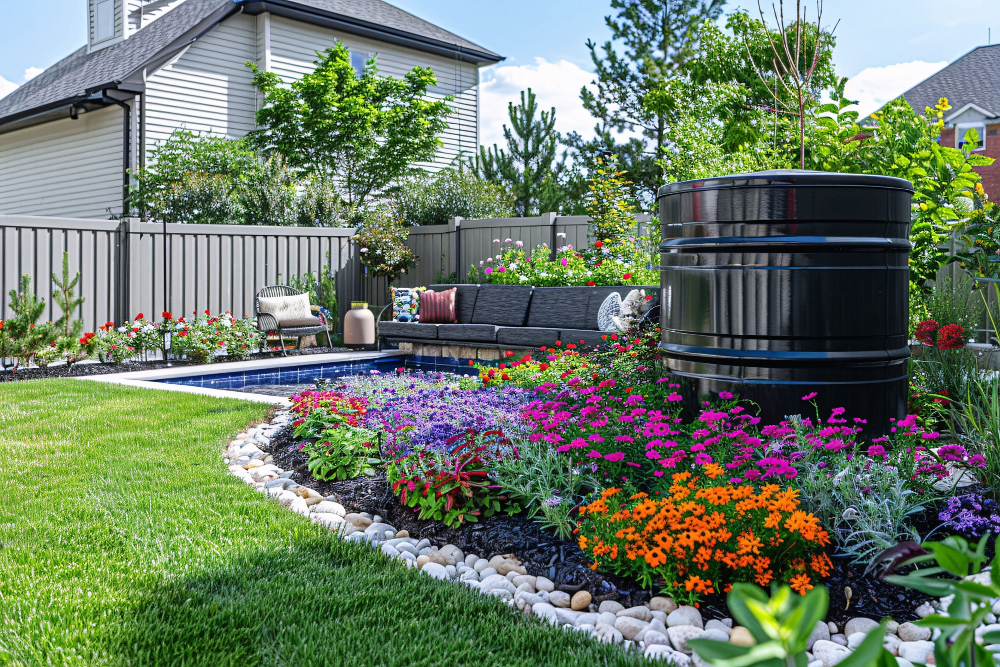
In areas with moderate to high rainfall, rain barrels are a simple, effective way to become more water-wise. The premise is simple: Connect one to a downspout to capture runoff from your roof, then store it for use when needed. A standard 55-gallon barrel can fill up after a modest rainfall, giving you a free supply of water for container plants and vegetable gardens.
Some homeowners link multiple barrels together for even more capacity, which is a great option if you have the space. Just check your local regulations first, as most areas encourage rainwater harvesting, but rules can vary by state.
A Lush Lawn and a Lower Bill
Small changes might not seem like much, but they add up faster than you’d expect. Swap in a drought-tolerant grass seed mix, adjust your sprinkler schedule, and replace some lawn with native plants, and you may notice a difference within a billing cycle or two.
With a little planning, your outdoor space can stay green and vibrant all season long, and your wallet can breathe a little easier.
Written by Amanda Shiffler
About the Author
 Most comfortable with soil under her fingernails, Amanda has an enthusiasm for gardening, agriculture, and all things plant-related. With a master's degree in agriculture and more than a decade of experience gardening and tending to her lawn, she combines her plant knowledge and knack for writing to share what she knows and loves.
You may also like
6 Ways to Incorporate Carbon Footprint Reduction Into Your Landscaping
The Importance of Using Native Plants and Flowers in Your Garden
A Definitive Guide to Xeriscaping: 10 Best Xeriscaping Ideas
How Your Landscaping is Affecting Your Energy Consumption